Step 1
Sample Intake & Chain of Custody
Every sample is logged at receipt with a complete chain-of-custody record. We verify labeling, hold times, and the analyses requested before work begins.
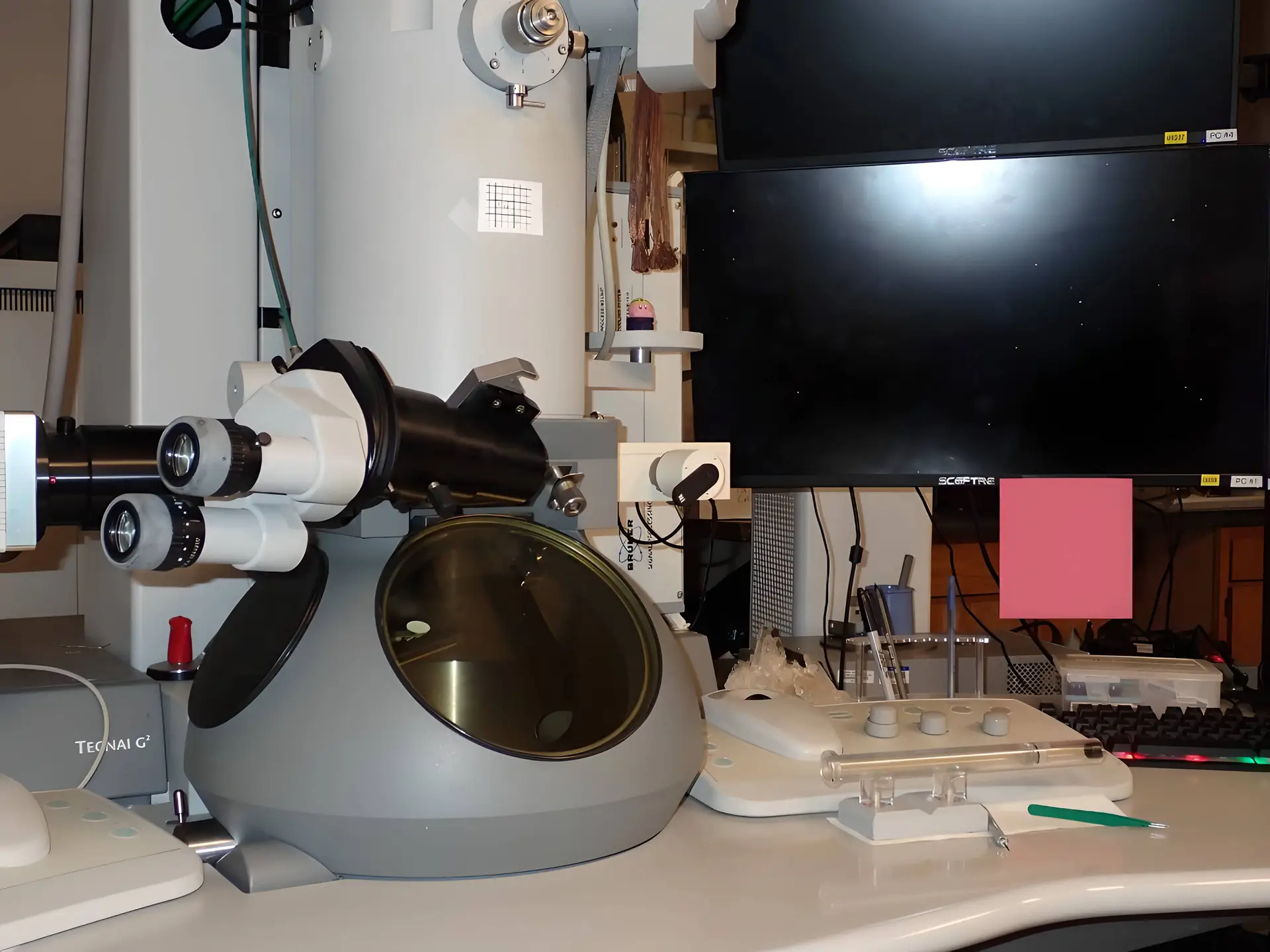
KAM Consultants operates an in-house light and electron microscopy laboratory at our Long Island City facility, accredited under the New York State Department of Health ELAP program (Lab ID 11273) and the U.S. Department of Commerce NIST/NVLAP program (Lab Code 102047-0). PLM, PCM, and TEM capabilities sit alongside Lead (Pb), metals, and TCLP testing, all performed under documented QA/QC procedures.
Because analysis stays in-house, clients receive faster turnaround on time-sensitive samples—including pre-demolition bulk materials, abatement air monitoring, and clearance documentation—when project timelines cannot wait on outside laboratory queues.
From sample receipt through final report, each step follows documented procedures designed to produce accurate, defensible data.
Every sample is logged at receipt with a complete chain-of-custody record. We verify labeling, hold times, and the analyses requested before work begins.
Samples are prepared according to project requirements—homogenization, digestion, slide mounting for microscopy, or other prep steps defined in our SOPs.
Certified analysts perform testing using approved methods, including PLM, PCM, TEM, metals, and Lead (Pb) analyses suited to each matrix.
Results pass through documented quality checks, including method blanks, duplicates, calibration verification, and independent data review where required.
Clients receive clear reports with findings, method detection limits, and conclusions. Electronic deliverables are available when your project requires them.
Lead (Pb) laboratory matrices include paint chips, dust wipes, potable water, wastewater, soil, and air.
Potable water and wastewater, analyzed for the metals the project specifies.
Soil and solid samples, including metals and TCLP for Lead (Pb) and Copper.

Air samples for asbestos fibers and airborne Lead (Pb).

Bulk materials, paint chips, dust wipes, mold, and PCBs.
Emergency and time-critical projects
Most routine analyses

Complex multi-analyte panels
A chain of custody (COC) is the documented record that tracks a sample from collection through delivery, laboratory receipt, analysis, and reporting. It identifies who collected the sample, when it changed hands, and what testing was requested.
Accredited laboratories require a complete chain of custody so results can be traced back to the exact sample and field conditions. This protects sample integrity, supports regulatory and project requirements, and helps ensure the right analyses are performed on the right materials.
Download our chain-of-custody form and sample submission guidelines, or contact us to discuss your project requirements.